


WIldlife-watching java
Heavily populated, featuring many of Indonesia’s largest cities, the island of Java has manged to retain some impressive wildlife, including many special endemics & some species that are now rare or extinct in the rest of their range. Java has interesting origins being most closely linked with it’s nearest neighbour, the far larger Sumatra, however the island has had enough isolation, especially in it’s fertile, volcanic hills & mountains, to produce its own unique character. As you move east the last main affinity of the island becomes clear, the thick forests of the west give way to monsoon forest’s and savannahs more reminiscent of Indochina than Indonesia & indeed many species from this bioregion are found here with a distinctly Javan set of species. Whilst over looked by many, Java holds some of Indonesia’s best wildlife watching.
Where We Visit
West java
Whilst one of the most densely populated regions on earth, West Java still has some deeply impressive nature. Misty mountain forests full of endemic species featuring scores of birds, many special primates & excellent herping, these often overlooked reserves are some of Indonesia's most well protected areas. The lowlands are nearly all cleared except for the Ujung Kulon peninsula, this is one of Asia's most important reserves as it is the last home of the critically endangered Javan Rhinoceros.
Sites:
Gunung Gede Pangrango National Park- High volcanic peaks surrounded by dense montane rainforest, waterfalls & lakes, this magical national park is only a few hours from Jakarta yet is world's away, its well kept trails rise all the way to Gunung Gede's summit & provide access to different altitudes & therefore different species, it is the best place to connect with West Java's many endemic bird species, primates feature here as do endemic squirrels, herps & other Javan endemics, The next site Halimun is perhaps better for mammals yet the strange Javan Ferret Badger is best seen at Gede & visiting both sites will most certainly result in more species being seen.
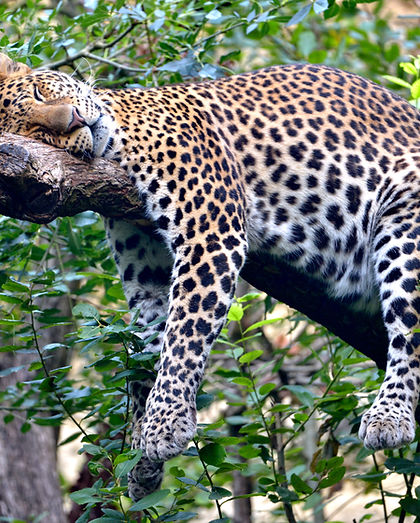
Gunung Halimun Salak National Park- If Javan traffic didnt exist, this park is a hop & a skip from the previous site, yet 3 hours is more common, this site sits at a lower elevation than Gunung Gede & feels more remote, it features a research station you can stay at right by the forest. Primates are a main feature here with Javan Gibbon, Javan Slow Loris & the two western endemic leaf monkeys all being regularly seen here, apart from this the forests are full of special rodents & squirrels & rare creatures such as Javan small-toothed Palm Civet, Banded Linsang & Malay Badger. It is a main stronghold for Javan Leopard but seeing one in forest this dense would be difficult. Birds feature heavily with top species such as Javan Hawk Eagle & Javan Trogon being seen often. Some of Indoneisa's best herping is be found in the vicinity of this park with dedicated guides available, mystical species such as Dragon snakes, Javan Bleeding Toad & many other endemic agamids, snakes & frogs can be found.
Ujung Kulon National Park- This UNESCO world heritage site is best known as the last home of the Javan Rhinoceros yet is very diverse in its own right, featuring endemic primates, Banteng, Peafowl, Hornbills & crocodiles, winding through the parks waterways is a wonderful adventure easily organised from Jakarta, Krakatoa lies just offshore & can also be visited. For serious wildlife watchers the Rhino is a priority, trips to see this legendary creature can be organised with the park but is by special request only.
Super accessible, excellent nature with many unique species living in visually stunning landscapes, West Java is not to be missed. Casual trips to spend time in nature, visit villages & waterfalls can still see a good amount of wildlife & for those who are serious about wildlife watching, this is the only place to catch up with many Javan endemics.


Central java
Whilst not traditionally known for its wildlife, there are a few special sites in reach of the cultural hub of Yogyakarta. This is a chance to see incredibly rare birds & also participate in primate conservation whilst viewing rare Javan species.
Sites:
Petungkriyono Forest- Actively managed by the brilliant Swara Ora primate conservation team, this forest contains some of central Java's last viable populations of endangered endemic primates such as Javan Gibbon & the Central Javan Surili Rekrekan. Other areas nearby host Javan Slow Loris plus a plethora of other wildlife, the team here can give excellent insight into these creatures & what it requires to protect them.
Around Jogya- Nearby to Yogyakarta are sites for some incredibly rare birds in beauitful patches of forests, or temple grounds near traditional villages, these include Javan Sparrow, Javan Blue Flycatcher & Javan Blue-banded Kingfisher. Of course other birds abound & this makes for an excellent natural excursion outside of Jogya.
This region is great for those looking for a natural experience on a trip through Java or indeed a exceptional excursion for primate lovers where you can actively get involved in the protection of Java's wonderful, endangered, endemic primates.
East java
The east of Java has it's fair share of world-class desitnations, from the volcanic vistas of Bromo, Huge waterfalls, the blue flames of Ijen & wonderful rainforests, for wildlife watching however, the best sites are in the far east by the coast, protected areas of savannah, monsoon forests and wild coastline more reminiscent of Indochina than Indonesia harbour some impressive fauna, it is the best region in Java to search for Banteng, Dhole, Leopard, Green Peafowl & other rare species.
Sites:
Baluran National Park- This small corner of the far North-east of the island is surrounded by people yet still holds populations of some excellent species, driving around the park day & night can produce some truly excellent wildlife sightings. This is one of the best places to try and see the incredibly rare Sunda Pangolin, Javan Warty Pig, Dhole & Javan Leopard. Hornbills, Peafowl, Pittas & the critically endangered Black-winged Starling feature in the birdlife & the endemic Eastern Javan Langur is common. Excellent accomodation is also available.
Alas Purwo National Park- The South-east Peninsula offers another protected area of similar habitat, this area is larger than Baluran & is therefore better for some species but more difficult for others. Banteng is best seen here & there are viewing platforms to do so, Javan mousedeer is also common here, Leopard & Dhole are sporadically seen, Birdlife is similar with perhaps a higher diversity here, Rhinoceros Hornbill is easier here.
This breathtakingly beautiful region of Indonesia is one of its best areas to search for megafauna, the open forest and savannahs being much easier to scan for wildlife than deep dense forest, both parks can be visited to maximise sightings with excellent guides available, easily accessible from Bali or large Javan cities, a safari here is one of the best in South-east Asia.

Suggested itineraries

West Java Mountains
%20sleeping%20soundly%20on%20a%20branch%20.jpg)
Java Leopard Trekking

Java Wildlife

Java primate conservation

Java Herping
Request an Adventure
Let us know where you would like to go or what you would like to see and we'll do the rest!